

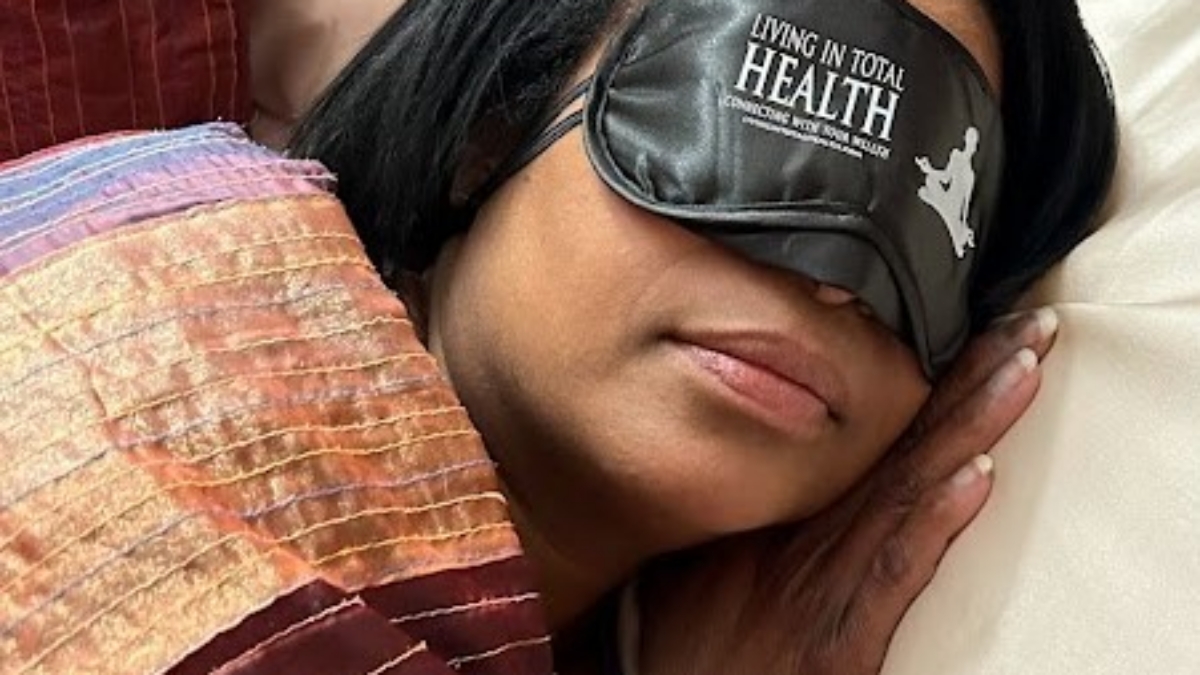
Sleep affects every area of health. So if you seek good physical, mental, emotional, and even spiritual health, then getting good nights’ rest is non-negotiable. For the record, the spiritual aspect of humanity is not about religion for me. It is about the alignment between choices and values/principals. Deep, restorative sleep ignites the body’s innate healing processes, promotes mental clarity and emotional balance, provides natural energy, and enhances joy. Plus, there are many other benefits of sleep.
“Sleep is the Swiss army knife of health. When sleep is deficient, there is sickness and disease. And when sleep is abundant, there is vitality and health.”
–Matthew Walker
How Poor Sleep Affects Health
Poor sleep, on the other hand, has significant negative health consequences. To inspire you to make choices that allow you to sleep well and enhance your overall health and well-being, it’s helpful to understand the downside of sleep deficits. Below is a brief list of those negative effects.
- Sleep deprivation often resembles symptoms of Attention Deficit Hyperactivity Disorder (ADHD)
- Poor sleep increases inflammation levels in women
- The brain is unable to detox, as it normally removes neurological waste during sleep
- Increased risk for high blood pressure, diabetes, and weakened immune system
- Increased anxiety, nervous energy, mood swings• Mental fog and forgetfulness
- Poor decision-making
- Excess consumption of caffeine, sugar, food in general
- Low energy/fatigue
- Weight gain and impediment to weight loss
Interestingly, the negative side effects of sleep deficits are rarely mentioned in conversations about weight, memory, and hyperactivity. And as you can see, the negative effects of poor sleep are plenty and do impact every area of health–physical, mental, emotional, and ultimately spiritual health.
Adequate rest provides a sense of strength, awareness, and focus. Proper rest is also
beneficial in maintaining and improving health because it provides the wise body
space to heal and the opportunity to add quality to life.
–Glen Alex, Living In Total Health
Choosing Sleep
Lifestyle and habits definitely impact sleep quality. Do you burn the candle at both ends? Are you of the mindset that you will ‘sleep when you’re dead’? Do you sacrifice sleep to do something only to please someone else or to get some non-urgent task done? If you answered yes to either question, then your choices diminish the quality of your sleep and ultimately your health.
Sleep Hygiene, on the other hand, promotes deep and restorative sleep. The pattern of behaviors you engage in 2-3 hours before bedtime is Sleep Hygiene. These actions communicate to your mind and body when it’s time to rest. Thus, you choose actions that enhance the quality of your sleep for better functioning, mental clarity, and enrichment your overall health and well-being.

REST UP Method
Use my REST UP method for non-medicinal ways to improve the quality of your sleep patterns. These tips are designed to prepare your mind and body for rest, and can be adjusted to reflect your individual needs.
Routine: Develop habits for bedtime to invite sleep
- eat at least 2-3 hours before to give your body time to digest food
- minimize or eliminate consumption of caffeine and sugar
- take a warm bath/shower, do gentle yoga, meditate, listen to soft music
Exercise: Engage in regular physical activity like working out, hiking, cycling or sports to burn off excess energy, which can lower blood pressure, enabling the body to relax.
Schedule: Have a regular sleep-wake schedule to support your Circadian rhythm and prioritize your to-do’s before winddown—don’t wait til after dinner to clean the bathroom for example
Tech Off: Eliminate using devices and doom scrolling; enable Do Not Disturb on your phone
Unwind: Journal after Tech Off; write down whatever is on your mind at that time (Mind Dump)
Practices: Engage in regular practices to quiet your mind and manage stress; meditation, journaling, and reading inspirational materials are powerful tools to bring about good sleep and rest
Other Sleep Influencers
The factors below also influence how well you sleep.
Temperature: the body needs to cool down 1-2 degrees, so your room temperature must allow for that.
Bedding: if your sheets, pillows, mattress, or blankets are uncomfortable, then your sleep suffers.
Stress: life events can weigh on your mind and create muscle tension, which will diminish sleep. Sleep hygiene helps keep stress to a minimum, particularly the mind dump and relaxation practices.
Figure out what you need to reach the restorative level of sleep because everyone is different.
Consult a professional health care provider if need be. In any case, get some rest!
–Glen Alex, Living In Total Health
Conclusion
Sleep is non-negotiable for physical, mental, and overall health. Deep, restorative sleep triggers your body’s own innate healing abilities, produces emotional balance and mental clarity, natural energy, and joy to your life. So, make lifestyle choices that allow you to sleep well to be as healthy as possible in every area of your life.
If you need assistance in evaluating and improving your sleep, visit GlenAlex.com to order your signed copies of Living In Total Health and Living Boundaries, and to request for complimentary consultation with me.
Living Boundaries is Glen’s much anticipated 2nd book. It is a deep dive into health boundaries and how boundaries impact physical, mental, emotional, and spiritual health. Living Boundaries is available in 18 countries on Amazon. Click here for each country’s link.